publications
publications by categories in reversed chronological order. generated by jekyll-scholar.
journal articles
2026
- JGR Solid Earth
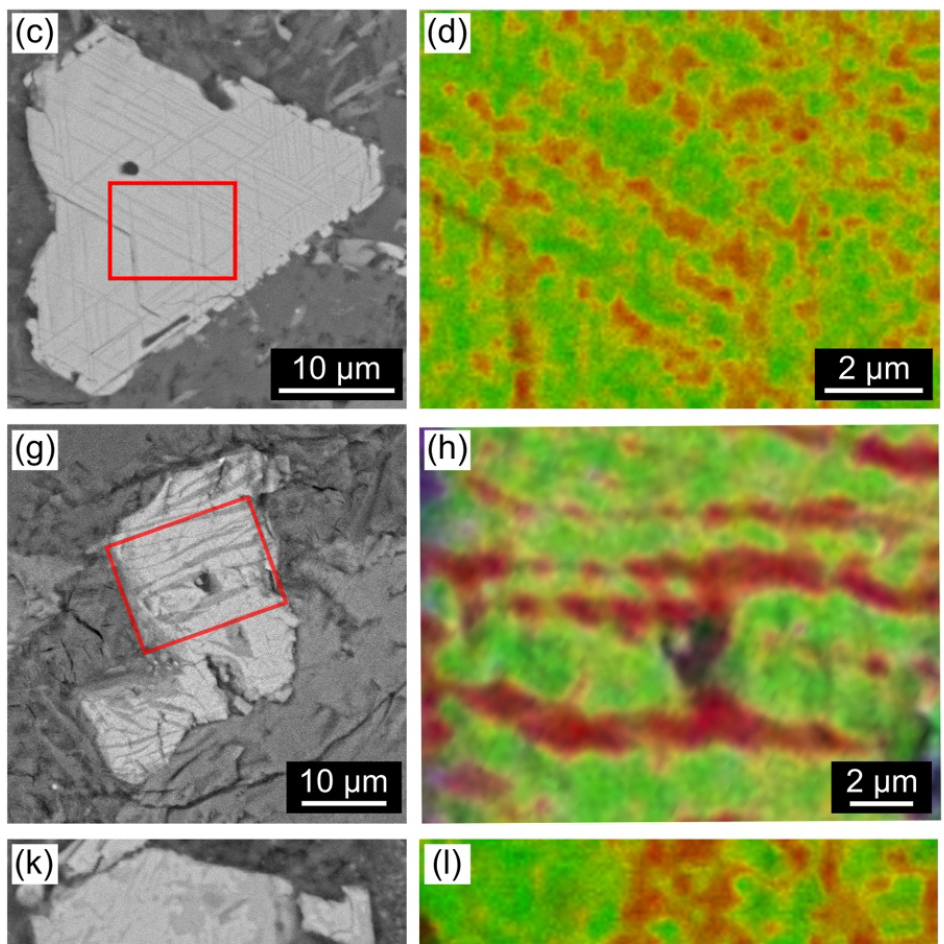 Geomagnetic variability in a post-superchron geodynamo: Insights from the Deccan TrapsKE Bristol, CJ Sprain, T Mittal, and 4 more authorsJournal of Geophysical Research: Solid Earth, 2026
Studying long-term geomagnetic field behavior is crucial for understanding Earth’s evolution, as field variability reflects processes in the planet’s deep interior. One key question concerns the relationship between field strength and polarity reversal frequency, particularly during the Cretaceous Normal Superchron (CNS), a prolonged interval without reversals. We present new paleomagnetic and paleointensity data from the Deccan Traps, emplaced shortly after the CNS potentially recording the geodynamo’s transition back to a reversing state. Sixteen reliable paleointensity estimates were obtained from three sites and have Quality of Paleointensity (QPI) scores of seven to eight. To evaluate selection criteria, results were compared using SELCRIT2, Thellier Tool A, MI-CRIT.A1, and PICRIT03. SELCRIT2 proved too permissive, whereas MI-CRIT.A1 most effectively excluded potentially biased data. Site mean Virtual Dipole Moments decrease stratigraphically from 7.0 ± 0.8 × 10²² Am2 at the base to 5.5 ± 0.4 × 10²² Am2 at the top of our sampled section. These values are higher than prior ∼66 Ma estimates which meet QPI ≥ 3 criteria and are instead more consistent with data satisfying the stricter prioritized QPI subset (QAGE + QALT + QMD). Together with existing records and model observations, our results suggest that the geomagnetic field was weaker and less variable after the CNS, supporting a closer link between reversal frequency and intensity range than absolute strength alone. Nonetheless, even rigorously filtered data sets may retain biases, complicating interpretations of this enigmatic period. Our study underscores the need for stringent selection criteria in paleointensity research.
2025
- GJI
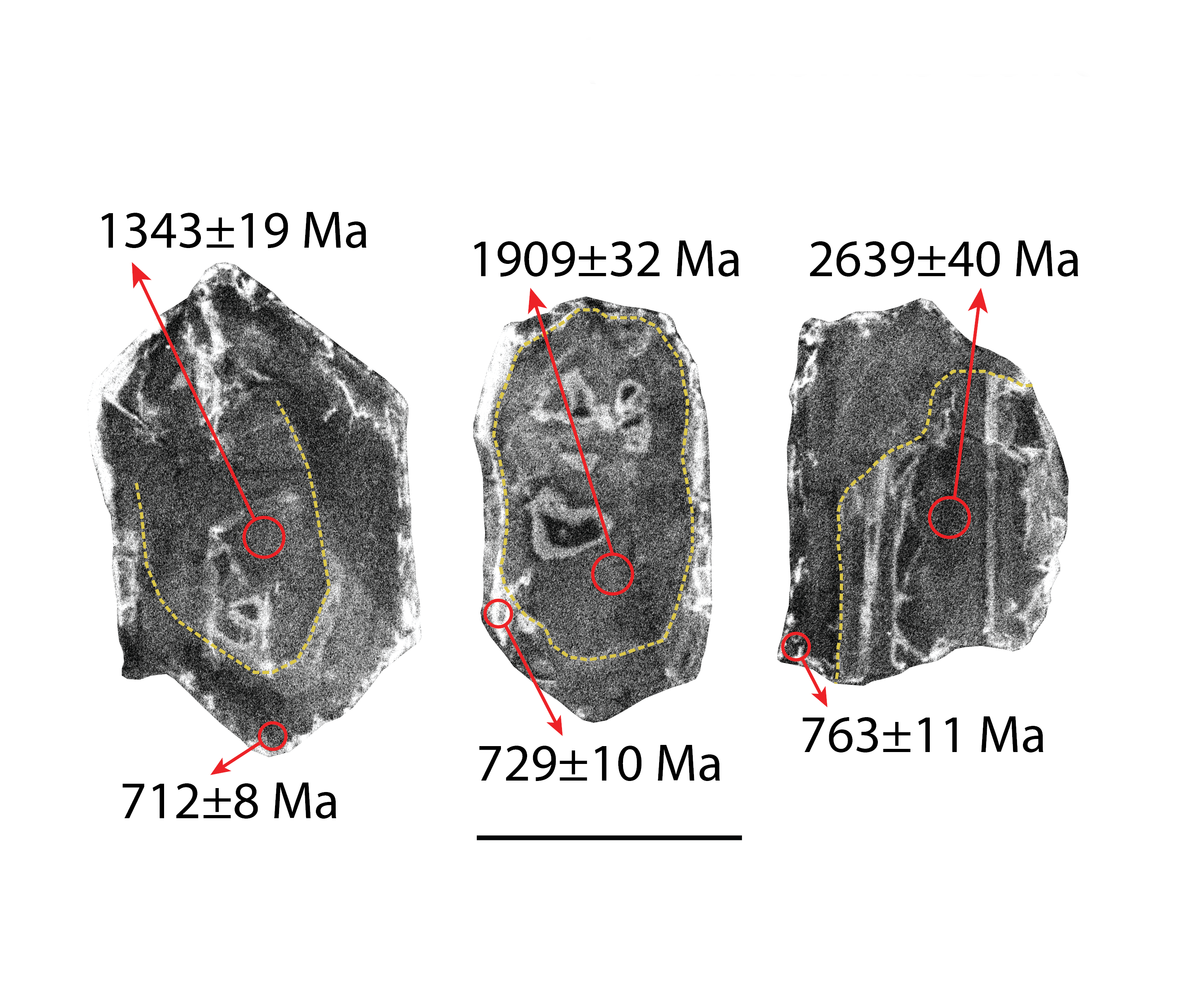 Absolute palaeointensity estimates from Precambrian India and the long-term thermal evolution of the EarthKE Bristol, CJ Sprain, JG Meert, and 4 more authorsGeophysical Journal International, 2025
Despite significant progress in palaeomagnetic research over the last century, the origin, evolution and long-term behaviour of the geomagnetic field remains poorly understood. One significant open question is when and how the inner core nucleated. Since geomagnetic field behaviour is intrinsically linked to the thermal evolution of the core, scientists have turned to the global palaeointensity record to search for proxies for inner core nucleation. From this record, two signals have been identified as possible indicators of inner core nucleation: (1) a spike in magnetic field strength between 1.5–1.0 Ga, and (2) an initially strong, but gradually decreasing field strength that resulted in a weak dynamo in the Ediacaran. Although both these hypotheses are vastly different, they do have one common challenge hindering rigorous testing: a paucity of palaeointensity data. This is especially true for the Precambrian time period for which well-preserved outcrops are scarce and weathering/alteration is nearly inescapable. Despite making up almost 90 per cent of Earth’s history, data from this super eon comprise < 10 per cent of the global palaeointensity database. This lack of data for most of Earth’s history represents a considerable gap in our knowledge and greatly impedes our ability to understand the origin and evolution of our planet and its magnetic field. In an effort to fill in this gap, we performed palaeointensity experiments on Precambrian-aged mafic dykes from India (Malani Igneous Suite and Bastar, Dharwar and Bundelkhand Cratons) with ages ranging from ∼740 Ma to ∼2.36 Ga. To monitor thermal alteration and minimize the effects of non-ideal grain sizes, the Thellier method following the IZZI protocol was used. Successful results were obtained for samples from the Bundelkhand (∼740 Ma) and Bastar (∼1.89 Ga) cratons. The Bastar results fall in a ∼40 Myr gap in the database and corroborate field trends predicted by the Monte Carlo axial dipole moment model, which suggests that intensity values were moderately low (2–4 × 10²² A m2) in the middle Palaeoproterozoic. The Bundelkhand result suggests that the field may have been rapidly decaying in the late Tonian to early Cryogenian.
- G Cubed
 A model framework for scaling pre-quaternary cosmogenic nuclide production ratesM Mijjum, KE Bristol, RK Bono, and 3 more authorsGeochemistry, Geophysics, Geosystems, 2025
Cosmogenic nuclide dating is an essential component of studying Earth surface processes, but it requires knowledge of how nuclide production rates vary in time and space. Typically, production rates are calibrated at sites with independently well-constrained exposure histories and then scaled to other sites of interest using scaling frameworks that account for spatial and temporal variations in the secondary cosmic-ray flux at Earth’s surface. To date, scaling schemes for terrestrial cosmogenic nuclide production rates have been developed for the Quaternary, yet cosmogenic nuclide applications that extend beyond the Quaternary are becoming more prevalent. For these deeper time applications, production rate calculations using scaling models optimized for the latest Quaternary neglect longer term spatiotemporal variations in geomagnetic field intensity, paleogeography, and paleoatmospheric depth. We present a production rate scaling scheme for the past 70 million years, SPRITE (Scaling Production Rates In deep TimE). This framework extends existing scaling schemes into deeper time by (a) accounting for site-specific changes in paleolatitude, (b) integrating a geomagnetic field intensity model rooted in data from a global paleomagnetic database, and (c) incorporating climate-driven, time-varying atmospheric depths. We evaluate the efficacy of our model by applying it to existing data sets from paleoexposure sites, and from sites with apparent continuous million-year exposure histories. This scaling model can be applied with measurements of stable cosmogenic nuclides to research questions such as constraining hiatus durations between ancient lava flows and calculating the formation timescales of stable landforms in arid environments over millions of years.
2024
- G Cubed
 A global paleosecular variation database for the Paleogene: stationary secular variation behavior since the Triassic?YA Engbers, D Thallner, RK Bono, and 6 more authorsGeochemistry, Geophysics, Geosystems, 2024
Paleosecular variation analysis is a primary tool for characterizing ancient geomagnetic behavior and its evolution through time. This study presents a new high-quality directional data set, paleosecular variation of the Paleogene (PSVP), with and without correction for serial correlation, compiled from 1,667 sites from 45 different localities from the Paleogene and late Cretaceous (84–23 Ma). The data set is used to study the variability, structure, and latitude dependence of the geomagnetic field during that period by varying selection criteria and PSV models. Modeled values for the equatorial virtual geomagnetic pole (VGP) dispersion have over-lapping uncertainty intervals within their uncertainty bounds between 8.3° and 18.6° for the past 250 Ma. We investigate the suitability of two descriptive models of PSV, Model G-style quadratic fits and covariant Giant Gaussian Process models, and find that both styles of model fail to satisfactorily reproduce the latitude dependent morphology of PSV, but suggest that estimates of the equatorial VGP dispersion may still robustly characterize aspects of Earth’s long-term field morphology. During this time where the PSV behavior has not changed substantially, the reversal frequency has varied widely. The lack of a clear relationship between PSV behavior and reversal frequency is not trivially explained in the context of published findings regarding numerical geodynamo simulations.
2023
- Icarus
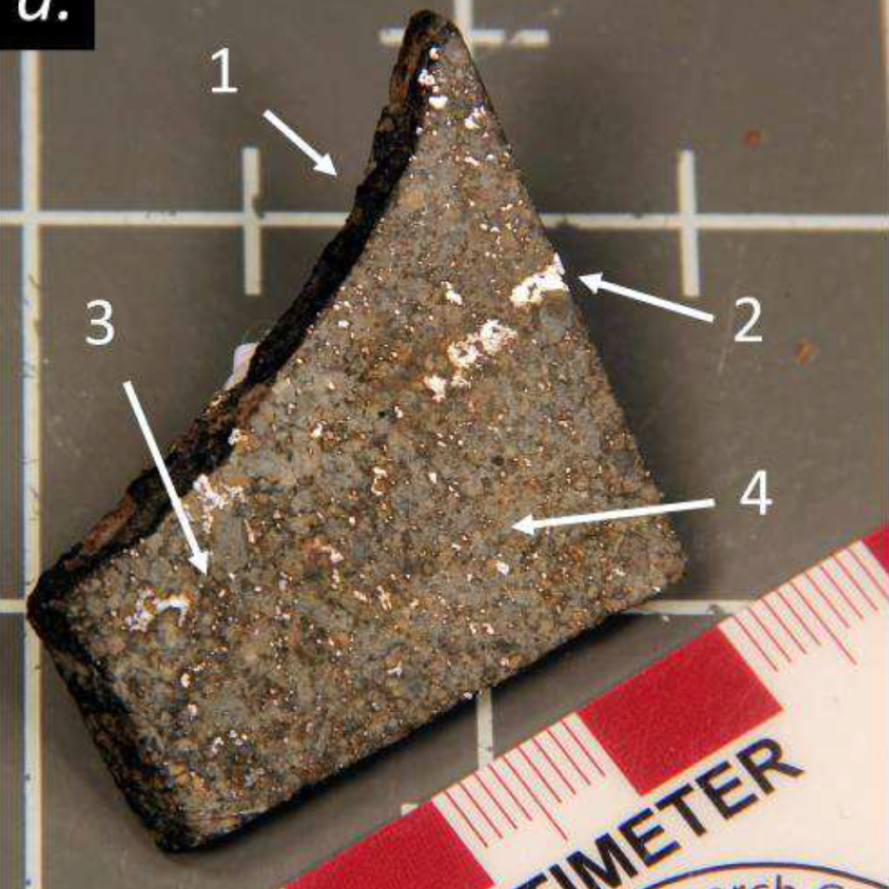 Magnetic characterization of the Daule chondrite (Ecuador’s first meteorite fall): The case of elusive tetrataenite?KE Bristol, AV Smirnov, EJ Piispa, and 3 more authorsIcarus, 2023
We investigated the magnetic properties of Ecuador’s first reported meteorite fall (March 23, 2008), the Daule ordinary chondrite (L5, S4, W0) using thermomagnetic analyses at high and cryogenic temperatures, analyses of magnetic hysteresis and first-order reversal curves, and thermal and alternating field (AF) demagnetization of natural remanent magnetization (NRM). The mineralogical and chemical composition of Daule was examined using scanning electron microscopy with energy-dispersive x-ray spectroscopy. Most methods indicate that the magnetic properties of Daule are dominated by multidomain FeNi alloys (kamacite) with Ni content varying between ∼4% and ∼17%. However, backfield demagnetization (BFD) analyses revealed the presence of high-coercivity tetrataenite that survived shock metamorphism. The differential survival of tetrataenite at the millimeter scale indicates heterogeneity of the impact-related temperature and pressure fields within the Daule meteorite. BFD curves may serve as an efficient tool for identifying minor amounts of tetrataenite that otherwise cannot be discerned from the signal from magnetically-soft FeNi mineral phases by methods based on induced magnetization. Thermal demagnetization experiments unveiled the presence of a well-defined characteristic component of NRM, which remains resistant to AF demagnetization. We interpret this component as a pre-impact thermochemical remanence carried by tetrataenite and acquired during the thermal metamorphism of the parent body. At cryogenic temperatures, the magnetic properties of Daule are dominated by low-Mg magnesiochromite with the Curie temperature at 60–70 K.
2017
- Sci. Adv.
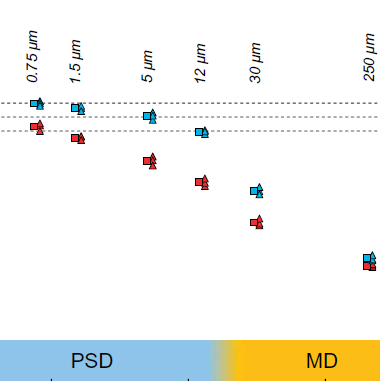 Intrinsic paleointensity bias and the long-term history of the geodynamoAV Smirnov, EV Kulakov, MS Foucher, and 1 more authorScience Advances, 2017
Many geodynamo models predict an inverse relationship between geomagnetic reversal frequency and field strength. However, most of the absolute paleointensity data, obtained predominantly by the Thellier method from bulk volcanic rocks, fail to confirm this relationship. Although low paleointensities are commonly observed during periods of high reversal rate (notably, in the late Jurassic), higher than present-day intensity values are rare during periods of no or few reversals (superchrons). We have identified a fundamental mechanism that results in a pervasive and previously unrecognized low-field bias that affects most paleointensity data in the global database. Our results provide an explanation for the discordance between the experimental data and numerical models, and lend additional support to an inverse relationship between the reversal rate and field strength as a fundamental property of the geodynamo. We demonstrate that the accuracy of future paleointensity analyses can be improved by integration of the Thellier protocol with low-temperature demagnetizations.
conference talks
2026
- MetSoc
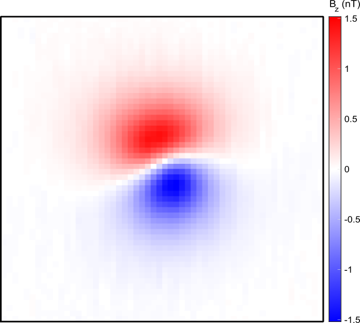 Early Solar System Magnetic Records in Calcium Aluminum Rich Inclusions from the ALHA77307 CO ChondriteKE Bristol and CS BorlinaIn 88th Annual Meeting of the Meteoritical Society, 2026
CAIs from ALHA77307 show mixed magnetic recording behavior. One yields a robust paleointensity consistent with DOM 08006, supporting early solar system magnetic fields. This study begins a broader survey of CAI magnetic recording across meteorites.
- MetSoc
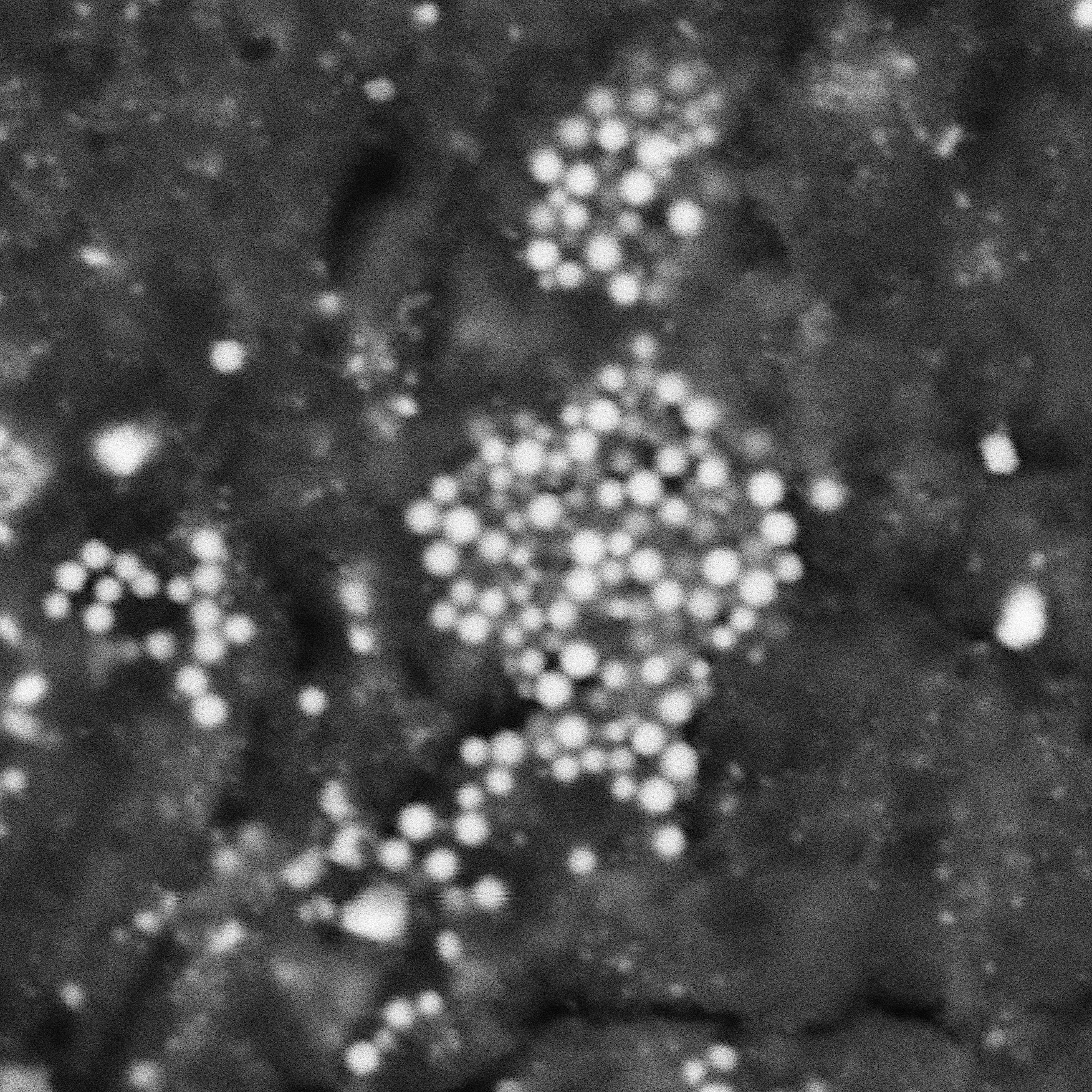 Evidence of a Solar Nebula Magnetic Field in Samples Returned from BennuCS Borlina, KE Bristol, R Doctor, and 1 more authorIn 88th Annual Meeting of the Meteoritical Society, 2026
Bennu samples recorded a 14 µT solar nebula field via chemical remanent magnetization during parent body alteration, supporting a distal formation (>8 AU) and revealing how compositional differences with Ryugu shaped distinct alteration histories.
- LPSC
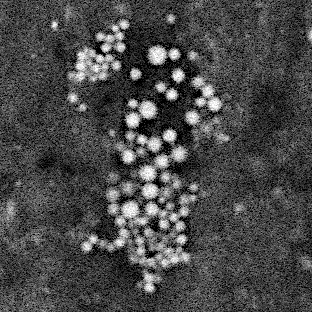 Evidence of a Solar Nebula Magnetic Field in Samples Returned from BennuCS Borlina, KE Bristol, R Doctor, and 1 more authorIn 57th Lunar and Planetary Science Conference, 2026
Paleomagnetic measurements of Bennu samples returned by NASA’s OSIRIS-REx mission indicate that they recorded a solar nebula magnetic field during aqueous alteration of their parent body.
2025
- LPI
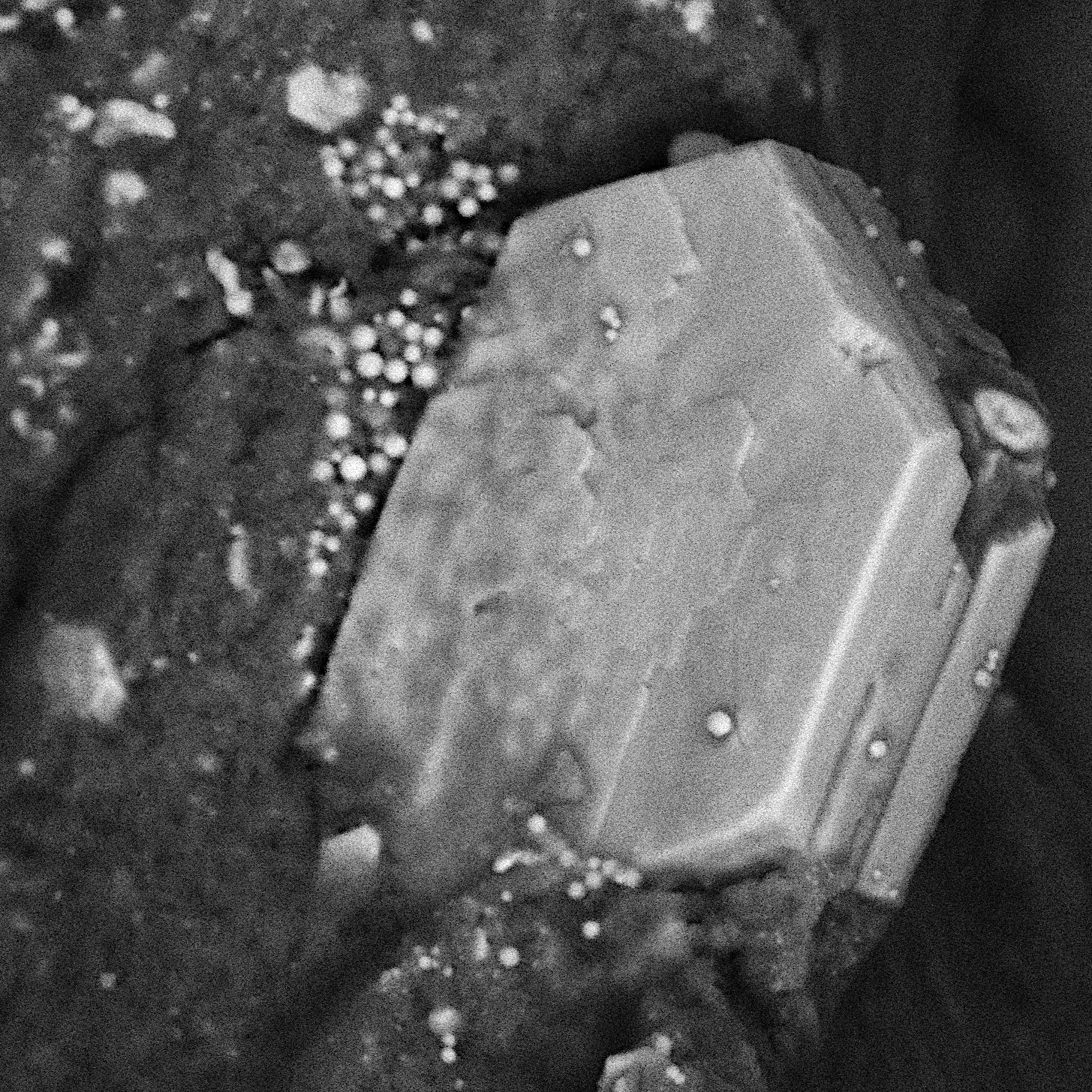 Potential Evidence of a Solar Nebula Magnetic Field in Samples Returned from BennuCS Borlina, KE Bristol, R Doctor, and 1 more authorIn Workshop on Bennu and Ryugu: Samples from the Early Solar System, 2025
Paleomagnetic measurements of Bennu samples support the presence of magnetic fields during the solar nebula, consistent with previous paleomagnetic studies of meteorites and their components. Our results also indicate that Bennu formed >6 AU.
- LPI
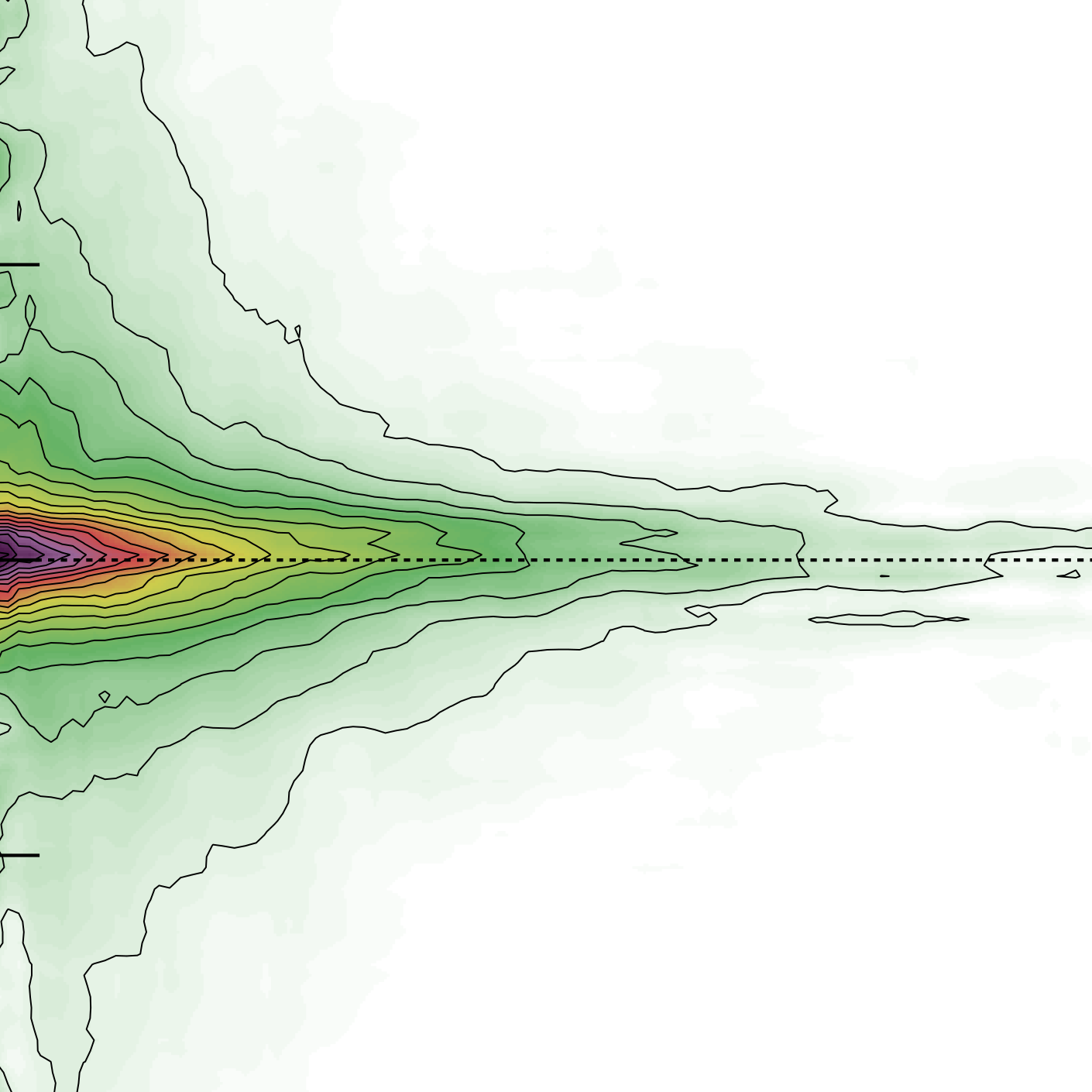 Magnetized in Brines: Evidence for Robust Magnetic Carriers from Bennu’s Returned SamplesKE Bristol, CS Borlina, and JM FeinbergIn Workshop on Bennu and Ryugu: Samples from the Early Solar System, 2025
Bennu samples contain magnetite framboids with grain sizes ideal for stable remanence. Rock magnetic and microscopy data support their reliability as paleomagnetic recorders and suggest brine-driven formation in the cold, outer protoplanetary disk.
- GSA
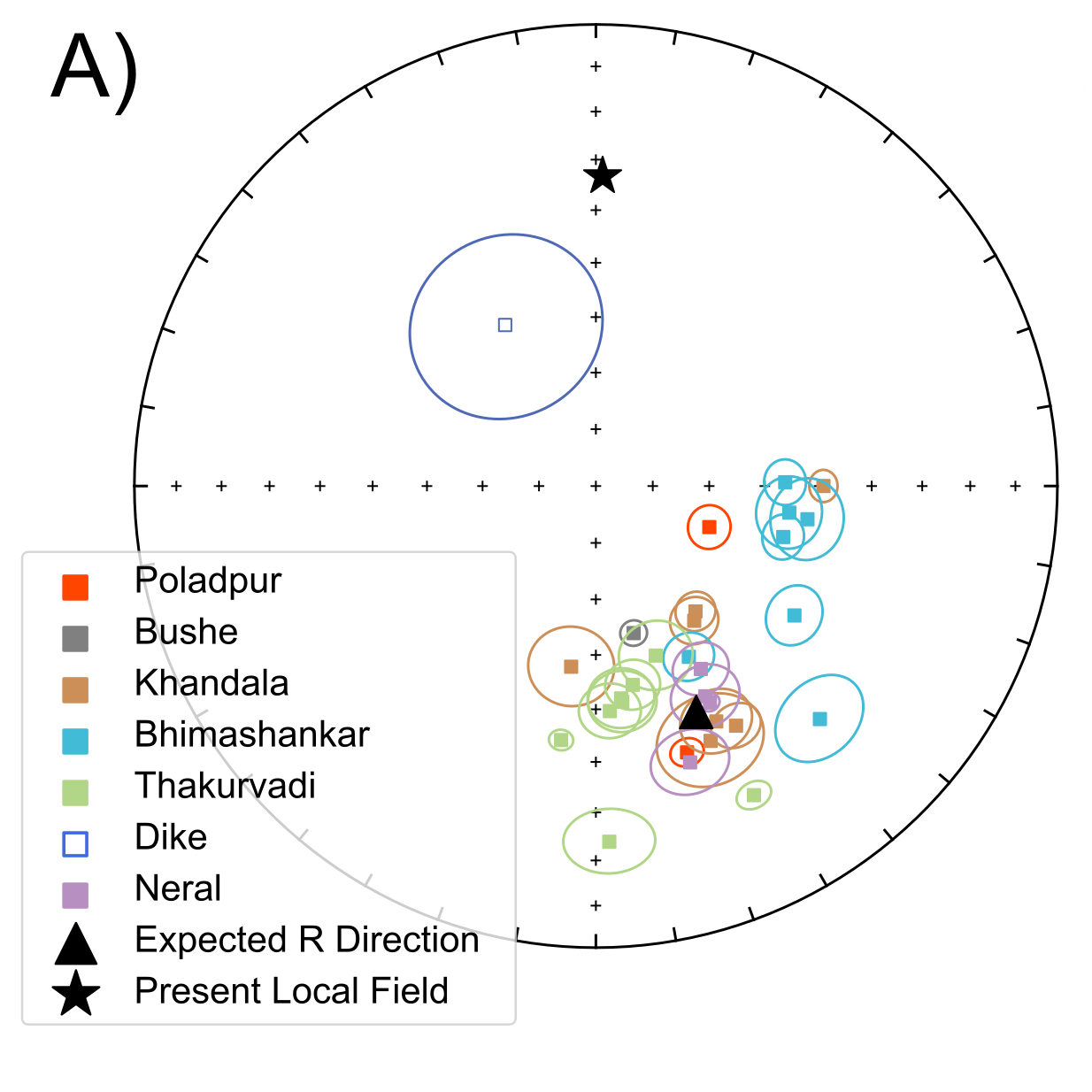 Using Quantitative Paleosecular Variation Analysis to Refine the Tempo of Deccan EruptionsCJ Sprain, KE Bristol, T Mittal, and 5 more authorsIn Geological Society of America Abstracts, 2025
Large igneous provinces (LIPs) occur throughout Earth’s history and are commonly temporally linked with major environmental crises, most notably mass extinctions. Quantifying the tempo of LIP eruptions is critical for understanding the impact these volcanic systems have on the global environment. This is especially critical for LIPs where the influence of volcanism is still being debated, like the Deccan Traps and their association with the Cretaceous-Paleogene mass extinction. Recent work to constrain rates of Deccan eruption utilized high-precision geochronology to obtain absolute ages for flows and zircon-bearing red boles between flows. Although this work makes Deccan one of the most precisely dated LIPs, uncertainties on ages from high-precision geochronology techniques are still on the order of 10s of ka, with many dates overlapping within uncertainty over hundreds of meters of volcanic stratigraphy. Although higher resolution can be achieved using Bayesian age models, this resolution generally still cannot assess the duration of time between individual flows. Outside of absolute geochronologic methods, we have developed a new technique called Quantitative Paleosecular Variation to generate quantitative predictions about eruption tempo by combining geochronologic and paleomagnetic data, along with qualitative constraints from lava flow morphology and geochemistry. This technique utilizes a generalized forward modeling approach to compare real magnetic data with pseudo-paleomagnetic datasets, created using synthetic eruptive histories from down-sampled secular variation records, in a Bayesian inversion framework. This approach assesses the most likely eruption history including duration of eruptive pulses, active eruptive time, and hiatus duration between pulses, hence providing a quantitative estimate of eruption tempo at timescales less than 10,000 years. In this work, we have applied this method to new paleomagnetic data collected from the Matheran section in the Deccan Traps. Our results indicate that during this interval, eruptions occurred roughly every 3,000 yrs, with no significant hiatuses between eruptive pulses. As a result, the Deccan Traps likely caused a series of short-lived cooling intervals via sulfur emissions. However, the several thousand years between eruptions preclude the possibility of prolonged cooling due to the comparatively short decay timescale of sulfate aerosols in the atmosphere.
2024
- MagNetZ
 Fast and Furious: Magnetic Drift - Using Quantitative Paleosecular Variation Techniques to Quantify the Tempo of Large Igneous ProvincesKE BristolIn Magnetic NetworkZ (MagNetZ) Seminars, 2024
Large Igneous Provinces (LIPs) are areas where exceptionally large volumes of volcanic rocks have been emplaced over a relatively short geologic timeframe. The study of LIPs is crucial due to their association with fundamental Earth processes such as mantle plumes and continental rifting. Moreover, LIPs tend to coincide with dramatic events in Earth history including mass extinctions, rapid climate shifts, and major environmental perturbations. Therefore, constraining their chronological framework is essential to research questions in fields such as volcanology, tectonics, paleoclimate, and more. Existing geochronological methods can determine time between individual lava flows if the ages of the flows do not fall within the margin of error from one another (10’s of ka). For example, in the Deccan Traps LIP many dates overlap across hundreds of meters of volcanic stratigraphy, necessitating an additional chronometer. Analysis of paleomagnetic directions between flows in conjunction with detailed knowledge of the stratigraphy can be used to construct a relative eruption history. To predict eruption rates quantitatively, we developed a novel technique that uses existing geochronological data in combination with paleomagnetic data, geochemistry, and lava flow morphology. This forward modelling approach compares magnetic data in a Bayesian inversion framework with synthetic eruption histories produced by downsampling real secular variation records. The result is a set of predictions which can assess the eruption tempo based on the most probable number of eruption pulses, eruption duration, and hiatus durations between pulses. In addition to directional data, we also present preliminary paleointensity estimates for these samples. Future work will refine these predictions by incorporating cosmogenic data to estimate surface exposure durations between flows. This approach is particularly advantageous as it incorporates information from multiple subdisciplines and improves overall resolution of estimates for multiple facets of LIP emplacement tempo. Overall, this method represents a valuable tool for determining the eruptive histories of LIPs.
2023
- AGU
 Assessing Eruptive Hiatus Durations of the Deccan Traps Large Igneous Province Using Quantitative Paleosecular Variation AnalysisKE Bristol, CJ Sprain, A Griffis, and 6 more authorsIn AGU Fall Meeting Abstracts, 2023
OSPAs are awarded to promote, recognize, and reward undergraduate, Master’s, and PhD students for quality research in Earth and space science and the ability to effectively communicate it.
Large Igneous Provinces (LIPs) are areas where exceptionally large volumes of volcanic rocks have been emplaced over a relatively short geologic timeframe. The study of LIPs is important as they are linked to significant Earth processes such as mantle plumes and continental rifting. In addition, LIPs tend to coincide with mass extinction events, periods of rapid climatic change, and major environmental perturbations. Therefore, constraining their chronology is essential to research questions in fields such as volcanology, tectonics, paleoclimate, and more. Existing geochronological methods can determine time between individual lava flows if the ages of the flows do not fall within the margin of error from one another (10’s of ka). In the Deccan Traps LIP, many dates overlap across hundreds of meters of volcanic stratigraphy, necessitating an additional chronometer. Analysis of paleomagnetic directions between flows, in combination with detailed knowledge of the stratigraphy, can be used to construct a relative eruption history. To build upon this, we developed a new technique that uses existing geochronological data in combination with paleomagnetic data, geochemistry, and lava flow morphology to predict eruption rates quantitatively. This forward modelling approach compares magnetic data in a Bayesian inversion framework with synthetic eruption histories produced by downsampling secular variation records. The result is a set of predictions which can assess the eruption tempo based on the most probable number of eruption pulses, eruption duration, and time spans between pulses. Future work will enhance these predictions by adding cosmogenic information to estimate surface exposure durations between flows. This approach is particularly advantageous as it incorporates information from multiple subdisciplines and improves overall resolution of estimates for multiple facets of LIP emplacement tempo. Overall, this method represents a valuable tool for determining the eruptive histories of LIPs.
2022
- AGU
 New Absolute Paleointensity Estimates from Mafic Dikes of India and the Variability of the Precambrian Geomagnetic FieldKE Bristol, CJ Sprain, EJ Piispa, and 3 more authorsIn AGU Fall Meeting Abstracts, 2022
The global paleointensity record has been an important tool for the investigation of the evolution of Earth’s core. A notable signature in the paleointensity record that has sparked debate in recent years is the apparent spike in paleointensity between 1.0 - 1.5 Ga. Some have postulated that this increase represents the nucleation of the inner core while others refute this claim, reporting ultra-low paleointensity values and a decreasing trend in field strength through the end of the Ediacaran as evidence for a younger inner core. To test between these hypotheses, we performed additional paleointensity experiments on an array of Proterozoic-aged samples from four different localities in India - The Malani Igneous Suite ( 750 - 752 Ma), Bastar Craton ( 1.88 Ga), Bundelkhand Craton ( 1.98 Ga), and Dharwar Craton ( 2.37 Ga). To increase experiment success, multiple paleointensity methods were used including the IZZI protocol, multispecimen, and quasi-perpendicular. Preliminary results suggest high field variability through the Proterozoic and emphasize the need for additional high-quality paleointensity estimates from Precambrian. Additionally, the results highlight the importance of method choice when dealing with samples of this age.
2021
- GSA
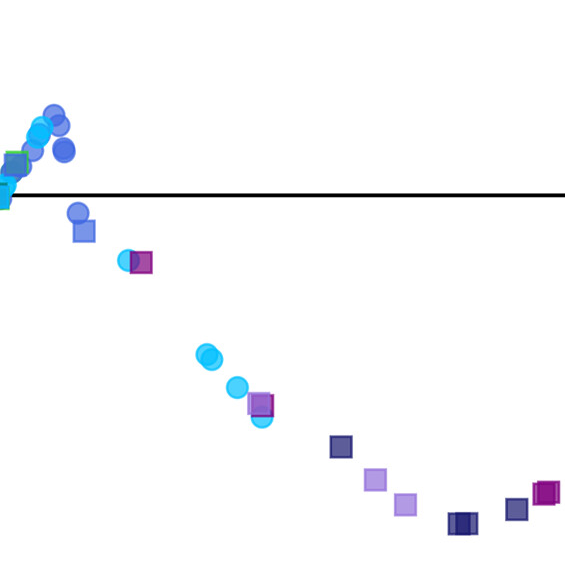 A Model Framework for Cosmogenic Nuclide Production Rates Through Deep TimeM Mijjum, KE Bristol, MM Tremblay, and 1 more authorIn Geological Society of America Abstracts, 2021
Multiple scaling schemes for cosmogenic nuclide production rates have been developed for the late Quaternary, the period over which most cosmogenic nuclide measurements are applicable. Applications of cosmogenic nuclide measurements on longer timescales to address questions regarding landscape evolution and surface exposure durations are becoming more prevalent. However, production rate calculations through deep time (i.e., pre-late Quaternary) have primarily utilized Quaternary or present-day scaling factors. To increase the accuracy of scaling schemes through deep time, spatiotemporal variations in physical parameters (e.g. geomagnetic field intensity and paleogeography) beyond the Quaternary should be accounted for. We present a production rate scaling scheme model for the past 70 My. This model builds on existing scaling schemes while incorporating effects relevant to deep time applications, specifically by, (1) accounting for site-specific changes in paleolatitude, and (2) integrating geomagnetic field intensity data from two global paleomagnetic databases. We evaluate the efficacy of our model by applying it to existing datasets from paleo exposure sites, and from sites with apparent continuous million-year exposure histories. Our model will enable measurements of stable cosmogenic nuclides to be applied to research questions such as constraining paleoexposure durations between lava flows, quantifying sediment storage on Ma timescales, and calculating the formation timescales of paleosurfaces.
2020
- AGU
 Thermomagnetic behavior of extraterrestrial minerals: An overviewKE Bristol, EJ Piispa, and AV SmirnovIn AGU Fall Meeting Abstracts, 2020
abstracts and posters
2025
- AGU
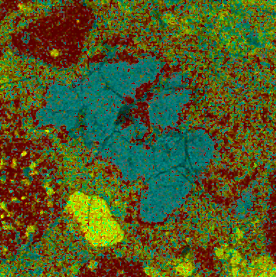 From Bulk Rock Magnetism to Individual Inclusions: A Detailed Magnetic Characterization of Refractory Inclusions in Chondrites for Paleomagnetic AnalysisKE Bristol, CS Borlina, and JM FeinbergIn AGU Fall Meeting Abstracts, 2025
Magnetic fields in the protoplanetary disk likely play a central role in mass and angular momentum transport, protosolar accretion, and planetary system evolution. Because direct observations are limited, paleomagnetic records from meteorites and their constituents can provide key constraints on this early magnetic environment. Refractory inclusions, including calcium-aluminum-rich inclusions (CAIs) and amoeboid olivine aggregates (AOAs), are the oldest solar system solids and are strong candidates for preserving such records. Prior measurements of CAIs in the CO chondrite DOM 08006 demonstrated that they can retain high-fidelity magnetization. To build on this, we performed comprehensive rock magnetic characterization to assess whether inclusions in other chondrite groups are also capable of preserving reliable magnetic records. We analyzed CO (ALHA 77307), CR (GRA 95229), and L (QUE 97008) chondrites, performing fusion crust baked contact tests, ARM paleointensity experiments, fidelity tests, hysteresis analyses, FORCs, and low-temperature magnetic measurements. All samples carry a low-coercivity (10-20 mT) overprint and a distinct higher coercivity component. FORC diagrams reveal tri-lobed patterns characteristic of isolated vortex-state grains. Coercivity unmixing suggests two to three components, consistent with magnetite, kamacite, and minor sulfide or tetrataenite phases. In all three samples, magnetite carries the majority (71-86%) of the signal. ARM paleointensity experiments show that the high-coercivity components were imparted by very low fields, implying weak or absent magnetic fields during parent-body aqueous alteration. These results indicate that the higher coercivity components preserve primary remanence, but the samples contain multiple carriers, representing a mixture of ideal and non-ideal recorders. To isolate the paleomagnetic record from primary kamacite, we are now conducting microscopy and elemental analyses to locate and classify refractory inclusions by type, mineralogy, and size while documenting any textural evidence of melting, alteration, or replacement. These data will guide the selection of inclusions most likely to retain high-fidelity primary magnetization for future high-resolution paleomagnetic study.
- AGU
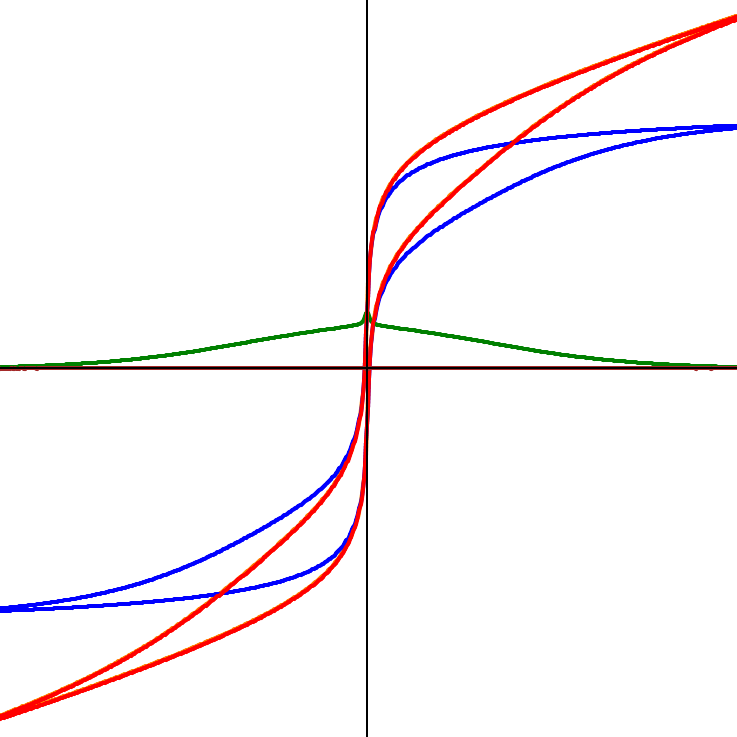 A Framework for Leveraging Clinkers as a Full-Vector Paleomagnetic Resource in Underrepresented TerrainsCJ Sprain, M Holliday, KE Bristol, and 2 more authorsIn AGU Fall Meeting Abstracts, 2025
Earth’s magnetic field and associated atmospheric shielding play a key role in Earth’s habitability. Despite this, our understanding of the processes that generate the field remain poorly constrained. To understand the magnetic field, knowledge of its spatial and temporal variations throughout geologic history are needed. These variations can be characterized through direct observations and historical records for the past few hundred years and indirectly via paleomagnetic/archaeomagnetic measurements going further back in time. For the youngest intervals (i.e., less than 10 ka to 100 ka), continuous, time-varying global field models have been constructed (e.g., Constable et al., 2016; Korte & Constable, 2003, 2005, 2011; Korte et al., 2011; Nilsson et al., 2014; Panovska et al., 2018, 2021; Pavón-Carrasco et al., 2014). Further back in time, the sparsity of paleomagnetic data precludes full-vector time-varying models of the field limiting our ability to answer fundamental questions about Earth’s long-term magnetic field behavior. To fill in these critical gaps more high-quality full-vector (direction and intensity) paleomagnetic data are needed. Clinkers, rocks baked and burned by coal seam fires, are an exciting new candidate for obtaining high-quality full-vector magnetic records. They occur throughout the world, are present in regions lacking magnetic data, and can be reliably dated. Furthermore, based on our preliminary work presented in Sprain et al. (2021), they are reliable full-vector magnetic recorders. Here, we present an update to previous work including new rock magnetic, paleodirectional, paleointensity, and geochronologic results from clinkers collected from across Montana, USA. Additionally, we provide the community with a road map for best sampling and laboratory protocols which lay the foundation for the expansion of clinker paleomagnetic work to other parts of world.
- IRM
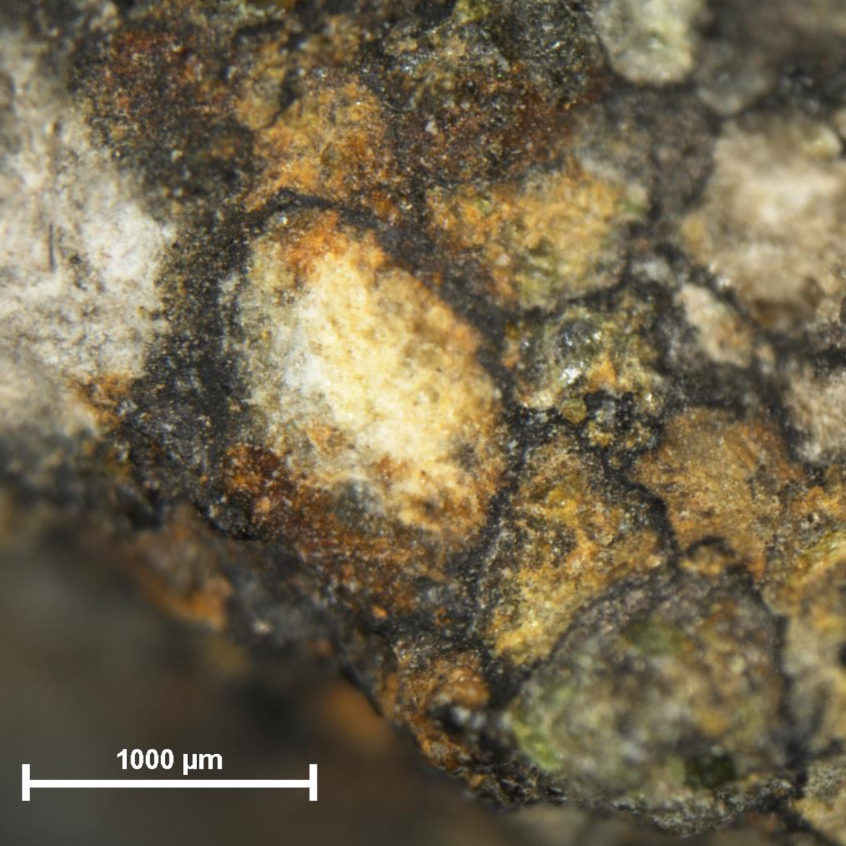 Magnetic Characterization of Chondrites and their Suitability for Paleomagnetic Analysis of Refractory InclusionsKE Bristol, CS Borlina, and JM FeinbergIn 14th Institute for Rock Magnetism Conference, 2025
Magnetic fields in the protoplanetary disk (PPD) likely play a key role in mass and angular momentum transport, accretion onto the protosun, and the evolution of emerging planetary systems. Given the limitations of direct astronomical observations, paleomagnetic records preserved in meteorites offer a valuable means of reconstructing this early magnetic environment. Refractory inclusions – such as calcium-aluminum-rich inclusions (CAIs) and amoeboid olivine aggregates (AOAs) – are among the oldest known solar system solids and are strong candidates for preserving magnetic records from the earliest stages of PPD formation. Previous paleomagnetic work on CAIs in the CO chondrite DOM 08006 revealed high-fidelity paleomagnetic records. To build on this work, we evaluate the suitability of additional chondrite groups for preserving reliable magnetic records in their refractory inclusions. Because this depends critically on the thermal, aqueous, and terrestrial alteration histories of the host meteorites, we conducted a comprehensive magnetic characterization of bulk material from CO (ALHA77307), CR (GRA95229), and L (QUE97008) chondrites. Our approach includes fusion crust baked contact tests, ARM paleointensity experiments, fidelity tests, hysteresis analyses, FORC measurements, quantum diamond microscopy, and low-temperature magnetic studies. These data provide constraints on magnetic mineralogy, domain state, coercivity distributions, and remanence stability. The results suggest that all three chondrites retain primary magnetization in interior samples and could be candidates for paleomagnetic investigation of their refractory inclusions. We discuss these findings, along with the other rock magnetic data, in the context of future high-resolution paleomagnetic study of CAIs and AOAs.
2024
- AGU
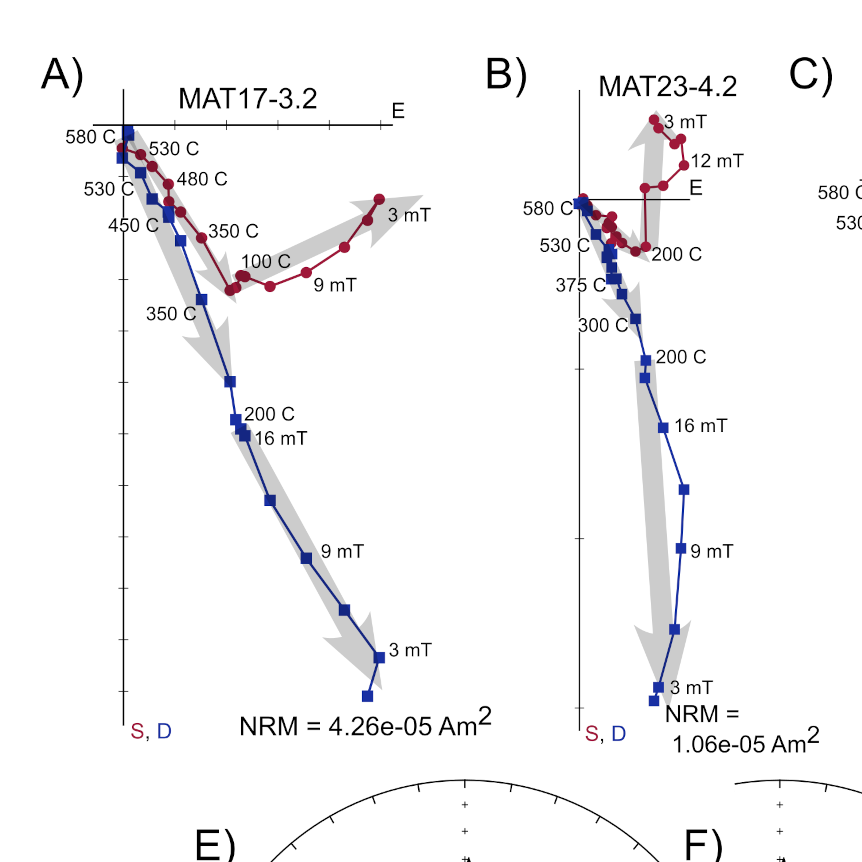 Quantitative Paleosecular Variation Analysis: A New Tool for Assessing Eruption Tempo of Large Igneous ProvincesCJ Sprain, T Mittal, KE Bristol, and 1 more authorIn AGU Fall Meeting Abstracts, 2024
In the past few decades, we’ve made significant strides in the field of high-precision geochronology. These advances have allowed us to more closely investigate many geologic processes, such as the timing of Large Igneous Province (LIP) eruptions. Despite these advances, there are still many processes that occur on timescales not resolvable by high-precision geochronologic techniques alone. Outside of absolute geochronologic methods, there are other indirect dating methods that can help resolve timescales finer than those achievable by high-precision geochronology. One such method is secular variation analysis. Secular variation analysis is often used to constrain eruption tempo in LIPs, whereby it is assumed that lava flows that record similar magnetic directions erupted on timescales shorter than secular variation (<10,000 years). By coupling magnetic data with a detailed lava flow stratigraphy, a high-resolution relative eruption history identifying likely eruptive pulses and hiatuses can be constrained. However, as this eruption history is qualitative, it can’t provide absolute time constraints. Additionally, magnetic directions are non-unique and similar directions do not necessitate that flows erupted close in time. To improve upon traditional secular variation analysis, we have developed a new technique that combines paleomagnetic and geochronologic data, informed by lava flow morphology and geochemistry, to generate quantitative predictions about eruption tempo. This method utilizes a generalized forward modeling approach to compare synthetic eruptive histories from downsampled secular variation records, creating pseudo-paleomagnetic datasets, with real magnetic data in a Bayesian inversion framework. This approach assesses the most likely eruption history including duration of eruptive pulses, active eruptive time, and hiatus duration between pulses, providing a quantitative estimate of eruption tempo at timescales <10,000 years. Here, we will present this new method and show results where we apply it to new paleomagnetic data collected from the Deccan Traps.
- AGU
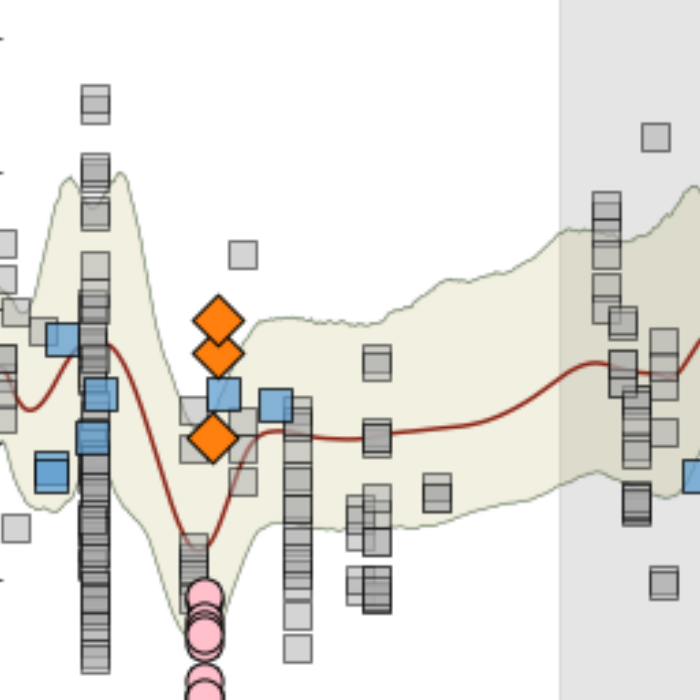 Mantle Plumes and Geomagnetic Intensity Variations: Insights from the Deccan TrapsKE Bristol, CJ Sprain, T Mittal, and 4 more authorsIn AGU Fall Meeting Abstracts, 2024
Studying the long-term behavior of the geomagnetic field is crucial for understanding the planet’s evolution, including its internal dynamics, surface processes, and biosphere. The Cretaceous-Paleogene (KPg) boundary, marked by the arrival of a superplume on Earth’s surface and a mass extinction event, is a period of particular interest. This period also follows the Cretaceous Normal Superchron (CNS), one of the most enigmatic features in the paleomagnetic record. A recent study of the Deccan Traps lavas reported extremely low dipole moments, among the lowest in the paleointensity database, hypothesizing that low dipole moments and high core-mantle boundary (CMB) heat flux are key factors in the formation of Large Igneous Provinces (LIPs). This suggests a direct link between geomagnetic field behavior and mantle dynamics, indicating that variations in field strength could reflect underlying geodynamic processes. We present high-quality paleointensity results from the Matheran section of the Deccan Traps LIP. Our findings show that the field strength during the Deccan was over four times higher than the recently reported low values. These results challenge the previous hypothesis and suggest a more complex relationship between geomagnetic field behavior and mantle dynamics. We discuss the implications of our results and highlight how the choice of fits, selection criteria, and quality of geochronologic constraints can influence interpretations of long-term geomagnetic field behavior and related Earth processes.
2022
- AGU
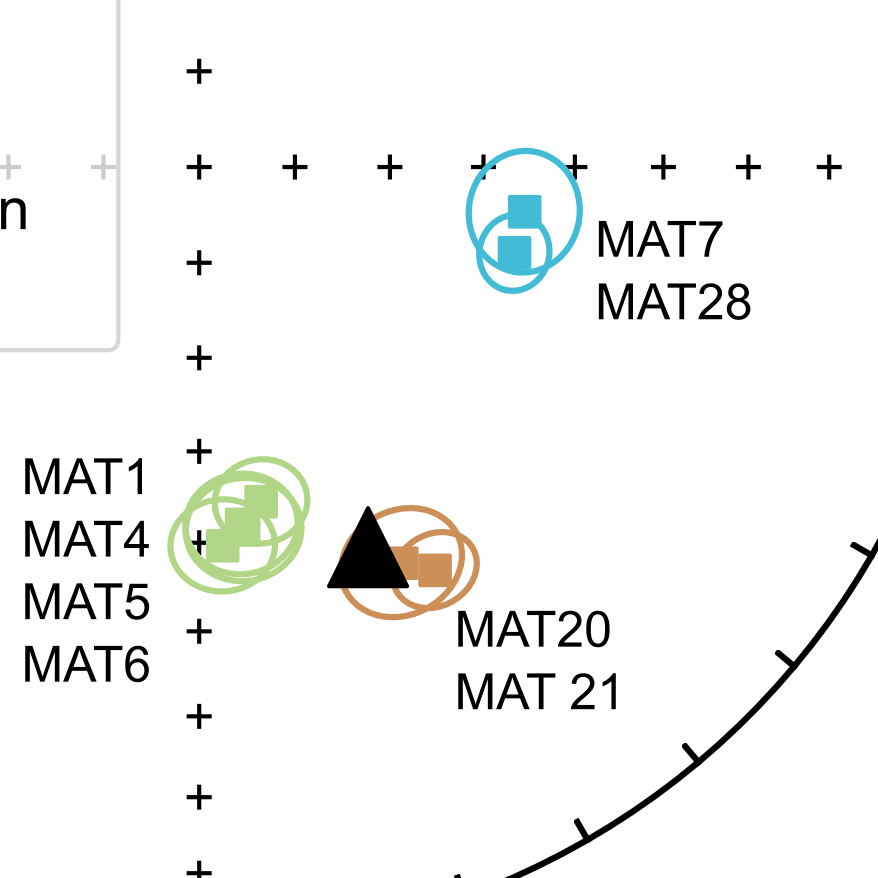 Quantitative Paleosecular Variation Analysis: A New Tool for Assessing Time Using PaleomagnetismCJ Sprain, T Mittal, KE Bristol, and 4 more authorsIn AGU Fall Meeting Abstracts, 2022
Magnetostratigraphy is an important geochronological tool. Traditionally, magnetostratigraphy has constituted the identification of magnetic polarity or astronomical cycles via the identification of magnetic mineralogic changes through a stratigraphic sequence. In addition to these traditional techniques, there is another magnetostratigraphic method that can be useful for constraining centennial to millennial timescales and that is secular variation analysis. Secular variation analysis is often used to constrain eruption tempo in Large Igneous Provinces (LIPs), whereby it is assumed that lava flows that record similar magnetic directions must have erupted on a timescale shorter than secular variation (<10,000 years). By coupling paleomagnetic data with a detailed lava flow stratigraphy, a high-resolution relative eruption history identifying likely eruptive pulses and hiatuses can be constrained. However, this eruption history is only qualitative and cannot provide absolute time constraints. To improve upon secular variation analysis, we have developed a new technique that combines paleomagnetic and geochronologic data, informed by lava flow morphology and geochemistry, that generates quantitative predictions about eruption tempo. This method utilizes a generalized forward modeling approach to compare synthetic eruptive histories from downsampled secular variation records with magnetic datasets in a Bayesian inversion framework. This approach can assess the most likely eruption history including duration of eruptive pulses, active eruptive time, and hiatus duration between pulses. Overall, it is an important new tool through which we can leverage magnetic data to determine eruption history in LIPs.
2021
- AGU
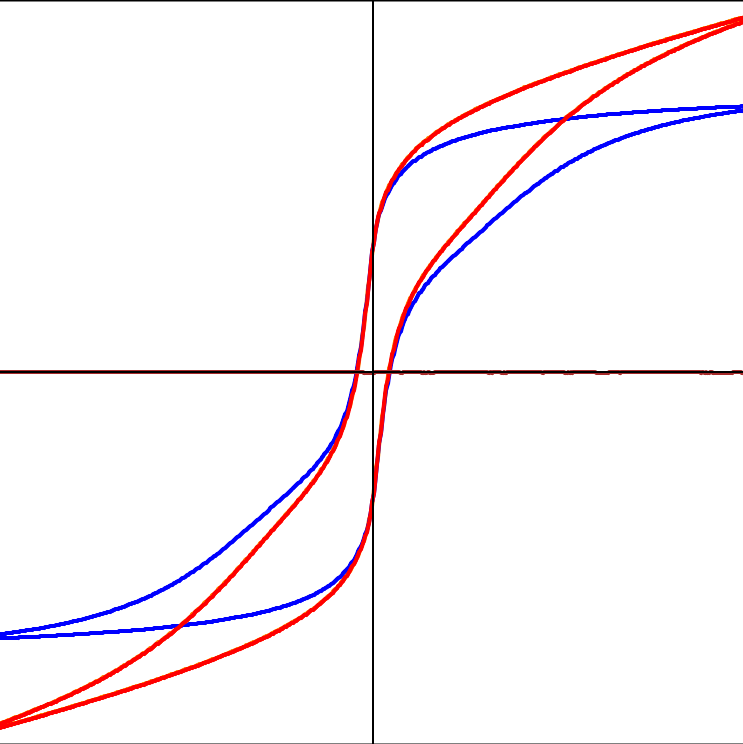 Constraining the Behavior of eps-Fe2O3 During Paleointensity ExperimentationC Sprain, E Hurst, G Paterson, and 3 more authorsIn AGU Fall Meeting Abstracts, 2021
The ancient magnetic field is challenging to constrain from the rock record, in large part due to the presence of non-ideal magnetic recorders in addition to processes, like alteration, that affect the ability of a material to reliably record field strength. Therefore, the identification of geologic materials with magnetic recorders that can robustly record the paleofield is important. Of the materials available for absolute paleointensity determination, archeological artifacts stand out as one of best sources for ideal paleointensity data. These data are heavily utilized in global time-dependent reconstructions of the magnetic field and archaeomagnetic dating curves. Recent work has shown that one of the major carriers of remanence in many baked archeological materials is a high-coercivity, thermally stable, low unblocking phase, interpreted to be -Fe2O3, in addition to the more commonly described magnetite. The -Fe2O3 phase has also recently been found to be a major carrier of remanence in geological materials, specifically clinker deposits, or rocks baked and fused by in situ burning of coal seams. If shown to reliably record the paleofield, clinkers are potential new materials from which we can fill in many gaps in the recent (past 10 Myr) magnetic record. However, the paleomagnetic potential of -Fe2O3, specifically in regard to paleointensity, has not been studied in depth. Recent work on synthetic -Fe2O3 has raised questions about the reliability of this phase for paleointensity recording. To understand whether -Fe2O3 is a trustworthy paleointensity recorder, more work is needed to assess this phase in its natural form. Here, we present results from Thellier-style paleointensity experiments using a lab-induced TRM, cooling rate experiments, and anisotropy experiments on natural -Fe2O3 present in Quaternary age clinker samples from the Custer National Forest, Montana. For these experiments, the -Fe2O3 phase was isolated using AF demagnetization as the mineral has a high-coercivity, 2 T. Our preliminary results suggest that natural -Fe2O3 is a reliable recorder of paleointensity.
- GSA
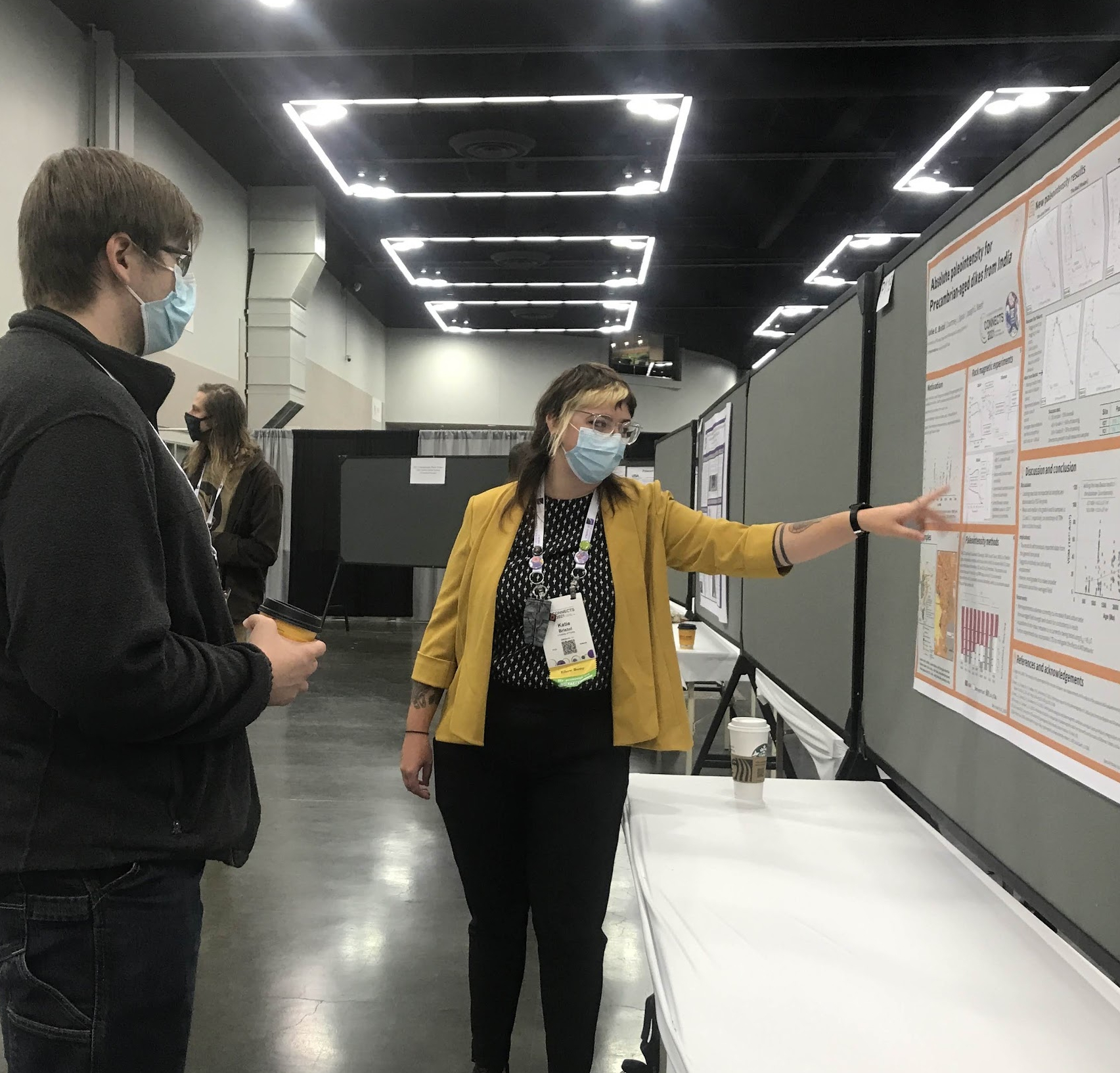 Absolute Paleointensity for Precambrian-Aged Dikes from IndiaKE Bristol, CJ Sprain, and J MeertIn Geological Society of America Abstracts, 2021
Despite significant progress in paleomagnetic research over the last century, the origin, evolution, and long-term behavior of the geomagnetic field remains poorly understood. One significant open question is when and how the inner core nucleated. Since geomagnetic field behavior is thought to be linked to thermal evolution in the core, scientists have turned to the global paleointensity record to search for proxies for inner core nucleation. From this record, two signals have been identified as possible indicators of inner core nucleation: (1) A spike in magnetic field strength and variability between 1.5–1.0 Ga, and (2) an initially strong, but gradually decreasing field strength that results in a weak dynamo in the late Precambrian. While both these studies have vastly different results, they do have one common challenge hindering them: A paucity of paleointensity data. This is especially true for the Precambrian era for which well-preserved outcrops are scarce and weathering/alteration is almost guaranteed. Despite making up almost 90% of Earth’s history, data from this era comprises only 8% of the global paleointensity database. This lack of data for most of Earth’s history represents a huge gap in our knowledge and greatly impedes our ability to understand the origin and evolution of our planet and its magnetic field. To aid in filling in this gap, we present new paleointensity results for several Precambrian-aged mafic dikes from India. Samples are from the Malani Igneous Suite ( 752 Ma), Bastar Craton ( 1.9 Ga), and Dharwar Craton ( 2.37 Ga). To monitor thermal alteration and minimize the effects of non-ideal grain sizes the Thellier method using the IZZI protocol was utilized. Preliminary results corroborate previous high-quality data of similar age and support the hypothesis that the magnetic field strength was gradually decreasing through the late Precambrian.
2020
- AGU
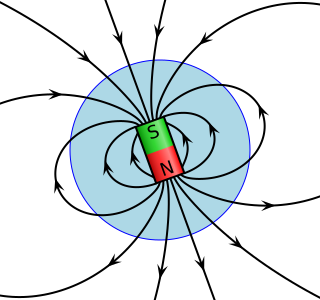 Rock Magnetism, Paleomagnetism and Paleointensity of Imbabura Volcano (ecuador)-Implications for the Spatiotemporal Growth ModelK Sanmartin, EJ Piispa, C Mandon, and 4 more authorsIn AGU Fall Meeting Abstracts, 2020
2019
- AGU
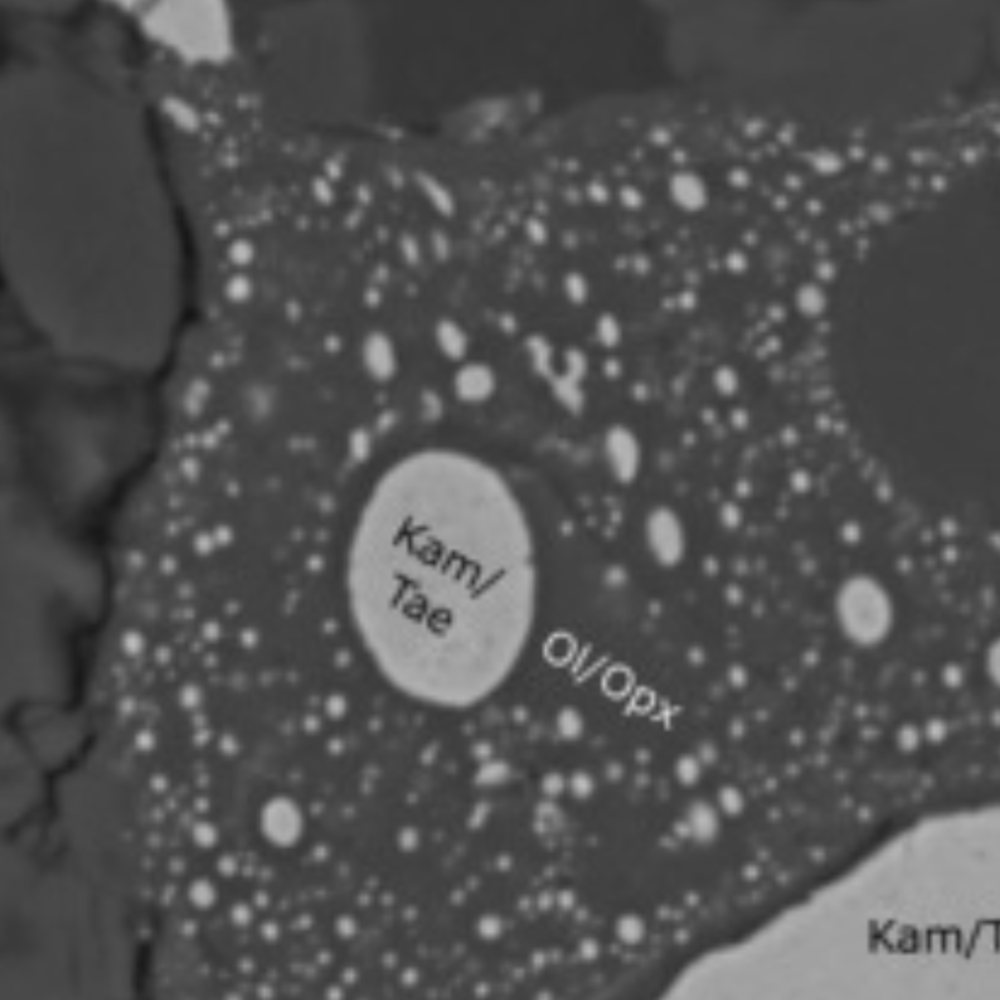 Rock Magnetic Investigation of the Daule Ordinary ChondriteKE Bristol, AV Smirnov, EJ Piispa, and 3 more authorsIn AGU Fall Meeting Abstracts, 2019
 - ISAG Paleo- and rock-magnetic record of the Imbabura volcanic units: Implications for the tectonomagmatic evolution of the volcano and for the Earth’s magnetic field at equatorial latitudesEJ Piispa, P Larrea, K Choez, and 4 more authorsIn International Symposium on Andean Geodynamics Abstracts, 2019
Earth’s magnetic field varies over a vast range of time-scales from milli-seconds to hundreds of millions of years. In order to be able to create reliable models of the Earth’s magnetic field and understand the complexities of its behaviour, it is crucial to have comprehensive high-quality data of the direction and strength of the Earth’s field through time with ample geographical coverage. The current databases suffer from a virtual complete absence of paleomagnetic data from the Northern South American continent. Ecuador has more than 80 volcanoes with ages spanning the whole of Quaternary. The Earth’s magnetic field archive of these volcanoes remains largely untapped, with very few papers published to date. However, such a systematic study of the morphology and strength through time could help address the dire need for data from this area. Furthermore, the data can be potentially utilized to study the extent and recurrence of the enigmatic South Atlantic Anomaly. Here, we present our first step towards obtaining the needed archive – the detailed paleomagnetic and paleointensity results from Imbabura-Cubilche volcanic complex (ICVC). This comprises the main Taita Imbabura stratovolcano further divided into three sub-units along with the youngest Huarmi Imbabura edifice, and semi-contemporaneous Cubilche composite volcano. The volcanic activity is estimated to span from the Pleistocene to early Holocene. The implications of our results for the Earth’s magnetic field strength and variability at Equatorial latitudes will be discussed
- Latinmag Lett. Paleo- and rock-magnetic record of the Imbabura volcanic units: Implications for the tectonomagmatic evolution of the volcano and for the Earth’s magnetic field at equatorial latitudesEJ Piispa, P Larrea, K Choez, and 4 more authorsIn Latinmag Letters, 2019
Earth’s magnetic field varies over a vast range of time-scales from milli-seconds to hundreds of millions of years. In order to be able to create reliable models of the Earth’s magnetic field and understand the complexities of its behaviour, it is crucial to have comprehensive high-quality data of the direction and strength of the Earth’s field through time with ample geographical coverage. The current databases suffer from a virtual complete absence of paleomagnetic data from the Northern South American continent. Ecuador has more than 80 volcanoes with ages spanning the whole of Quaternary. The Earth’s magnetic field archive of these volcanoes remains largely untapped, with very few papers published to date. However, such a systematic study of the morphology and strength through time could help address the dire need for data from this area. Furthermore, the data can be potentially utilized to study the extent and recurrence of the enigmatic South Atlantic Anomaly. Here, we present our first step towards obtaining the needed archive – the detailed paleomagnetic and paleointensity results from Imbabura-Cubilche volcanic complex (ICVC). This comprises the main Taita Imbabura stratovolcano further divided into three sub-units along with the youngest Huarmi Imbabura edifice, and semi-contemporaneous Cubilche composite volcano. The volcanic activity is estimated to span from the Pleistocene to early Holocene. The implications of our results for the Earth’s magnetic field strength and variability at Equatorial latitudes will be discussed
2018
- AGU
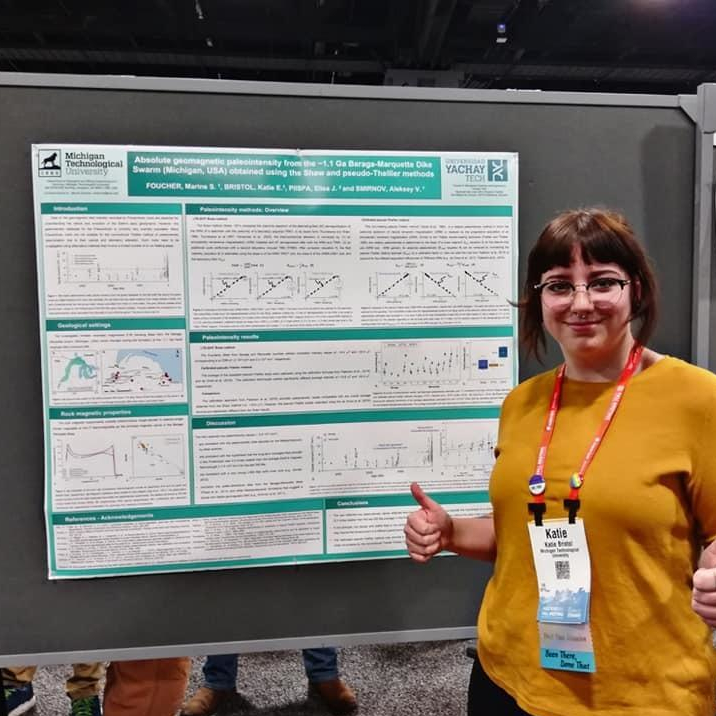 Absolute geomagnetic paleointensity from the 1.1 Ga Baraga-Marquette dike swarm (Michigan, USA) obtained using the Shaw and pseudo-Thellier methodsMS Foucher, KE Bristol, EJ Piispa, and 1 more authorIn AGU Fall Meeting Abstracts, 2018
The long-term behavior of geomagnetic field strength in the Precambrian remains poorly constrained due to the scarcity of available paleomagnetic data. However, many Precambrian rocks are not suitable for the conventional Thellier method of paleointensity determination due to their natural and laboratory alteration. Such rocks need to be investigated using alternative methods that involve a limited number of or no heating steps. We will present the results of absolute paleointensity experiments on the dikes from the Baraga-Marquette swarm (Michigan, USA) which intruded during the early stage of formation of the 1.1 Ga North American Mid-Continent Rift (MCR). The paleointensity values ( 20-40 ZAm2) obtained using the Shaw and calibrated pseudo-Thellier methods are two-three times lower than the average field strength for the last 200 Ma. The values are lower than the average field strength ( 60 ZAm2) reported from the Lake Shore Traps emplaced during the late stage of the MCR activity. We will discuss the implications of our new data for the Mesoproterozoic geodynamo. In addition, we will present the results of our comparative investigation of the pseudo-Thellier method calibration conducted on the Baraga-Marquette dikes and synthetic magnetite-bearing samples.
2017
- IAVCEI Evolution of large lava flows in rift setting: Paleomagnetic and rock magnetic insights into the Greenstone FlowM Foucher, E Engel, KE Bristol, and 1 more authorIn IAVCEI Scientific American Assembly, 2017
One of the world’s largest lava flows, the Greenstone flow (GSF), was emplaced at 1094 Ma as a part of a series of basaltic lava flows (the Portage Lake Volcanics) erupted during the extension phase of the North-American Mid-Continent Rift (Cannon and Nicholson, 2001). The GFS outcrops on the Keweenaw Peninsula and Isle Royale Island in Michigan. Although the extent of GFS on the surface ( 5000 km2) is limited in comparison to other large flows (e.g. Columbia River basalt), its aggregated volume has been estimated at 1650 km3 (Longo, 1984). As a result, lava accumulated in a thick, up to 500 m layer, taking centuries to millennia to solidify. During this long solidification period, the GSF differentiated into three main units: the upper ophite, pegmatitic center, and ophitic basal zones (Cornwall, 1951). The GSF represents a rare opportunity to investigate eruption and emplacement mechanism of flood basalts. We have conducted a number of rock-magnetic and paleomagnetic analyses of 114 oriented core samples from 17 sites across the GSF, representing the main lithological units. The angular variation of paleomagnetic directions between different stratigraphic layers within the GSF may provide an insight into the timing of solidification sequence. The magnetic fabric and rock magnetic properties provide information about the crystallization patterns and may facilitate development of a precise model for the GSF formation. Overall, the combination of paleomagnetic and rock magnetic method may prove a useful tool for improving our understanding of crystallization and emplacement of ancient large lava flows.
- MTU Rock magnetic investigation of the carbonaceous chondrules from the Allende meteoriteKE Bristol and AV SmirnovIn Michigan Technological University Pavlis Honors College Undergraduate Research Symposium, 2017